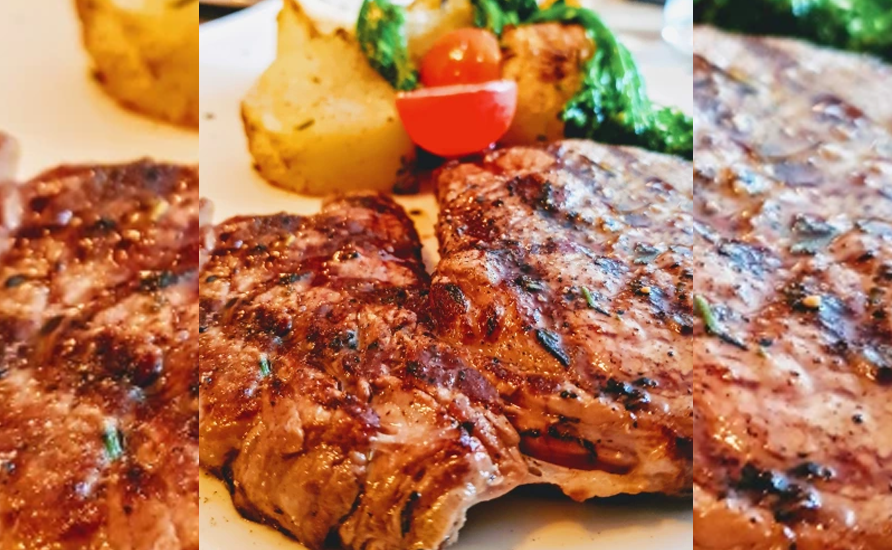

Different cooking techniques have been around a very long time and each has its moment to shine. Besides getting the most out of each food product you cook, the advantage of having to know all these techniques in your arsenal is that you can get many different, excellent dishes from the same product. For instance, shrimp can be boiled, fried, grilled, or sautéed—all with great results. If you put a little effort into learning the basics of how these various techniques work, you will do a much better job of getting the most out of any recipe you follow. I would like to focus on Braising in this article.
Braising is a moist-heat method of cooking which gives a depth of flavor, juiciness and amazing tenderness to the toughest cuts of meat through slow cooking. The name of the technique comes from the French word braiser, which refers to the original method that involved cooking meat in a covered vessel set on a bed of hot coals (braises). The gist of braising is to cook the product in a flavorful liquid for a long time at low heat, slowly and gently making it tender and releasing its flavor into the liquid. Frequently, the liquid is later reduced to make a concentrated, wonderful sauce with so many flavors. Meats are often seared first, creating an attractive “crust” and adding flavor. Pot roast and Stews are some examples of braising.
In my opinion, a Dutch oven is perfect for Braising. Picking a pan that will hold the meat and vegetables together is a perfect way to start. When you brown meat or sauté vegetables, the food needs lots of room in the pan so it sears instead of steams. But when you braise, you want as little extra space as possible. A tight fit keeps the cooking nice and slow and regulates the reduction of the cooking liquid. A pan with fairly high sides is great so it can hold enough liquid to surround the meat. When selecting a skillet for braising, it is important to use one with a tight-fitting lid such as the one I mentioned above or a deep casserole, this prevents the liquid from evaporating during cooking, keeping the dish moist.
Tough cuts of meat from the shoulders and legs of animals are tough because they contain a lot of connective tissue, called collagen. In braising, over time and at a low temperature (185-195˚F), this collagen is broken down into gelatin, which retains moisture and flavor, acts as a thickener, and adds richness to the dish. To get the full effect of braising on this connective tissue, care must be taken to keep the temperature of the braising liquid at a very low simmer, and to allow sufficient cooking time from two to six hours, depending on the food item. A successful braised dish will derive its flavor from the melding of foods and cooking liquid rather than fat. The low cooking temperature also prevents unwanted fat from being permanently incorporated into the sauce.
I feel that Braising is a wonderful cooking technique. It gives you the opportunity to turn less expensive cuts of meat into amazing meals. It produces a dish with a rich and complex sauce. Braising can be done on a stovetop, in a slow cooker or the oven, depending on your recipe and what you are planning to cook.
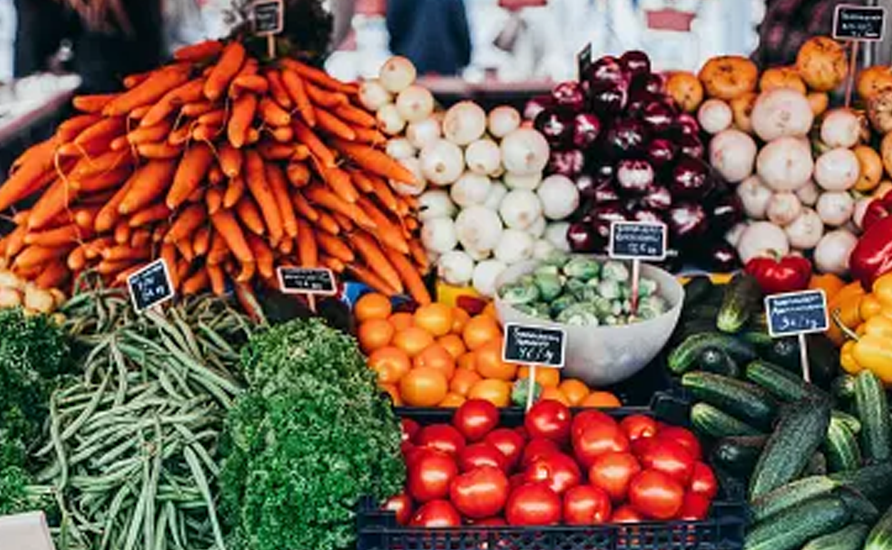
You can braise just about anything like tender meat, fish fillets, chicken breasts, or mushrooms. Fruits and vegetables with medium water content, such as potatoes, carrots, and apples are also great. Vegetables and fruits with high water content, such as tomatoes, zucchinis, cucumbers or grapes don’t need any extra liquid for braising so be careful while braising them.
A cooking tip– You might be tempted, but it’s important to avoid lifting the lid, which releases valuable heat and moisture and can significantly increase the cooking time, so I recommend avoiding doing that.