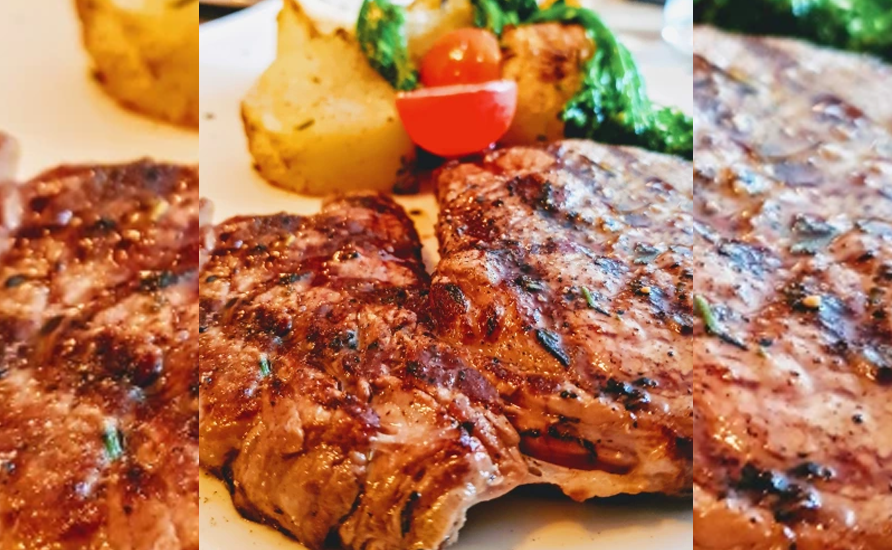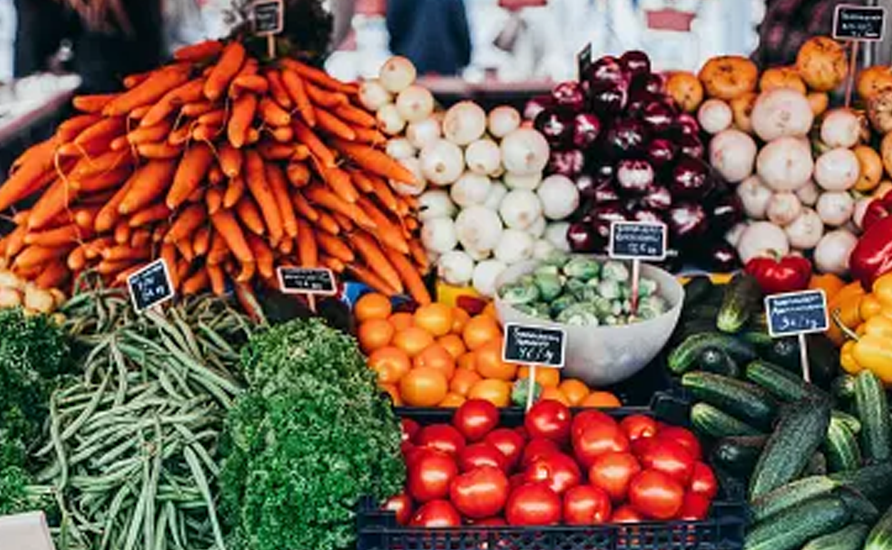

I strongly believe that one of the best ways to stay healthy is to eat at home. I would like to share some of the tips that are very useful when you are cooking in your kitchen and can be applied for a healthy plate! These tips will help you bring out the goodness in your food and keep your cooking healthy and satisfying.

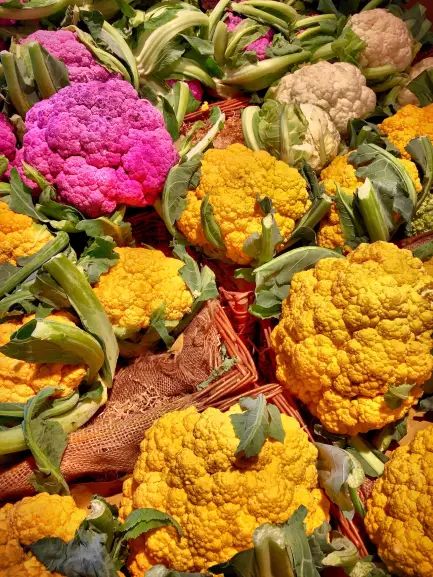
Preserve the nutrients and colors of veggies by cooking them quickly with either stir-frying or steaming. If you overcook them they will lose their color and nutrient value.
Time is of the essence to everyone these days so use your time wisely by using your freezer wisely. When you cook once, make it last longer by preparing enough for several meals. You can freeze it and have a readymade healthy meal for next time you are simply too busy or tired to cook.
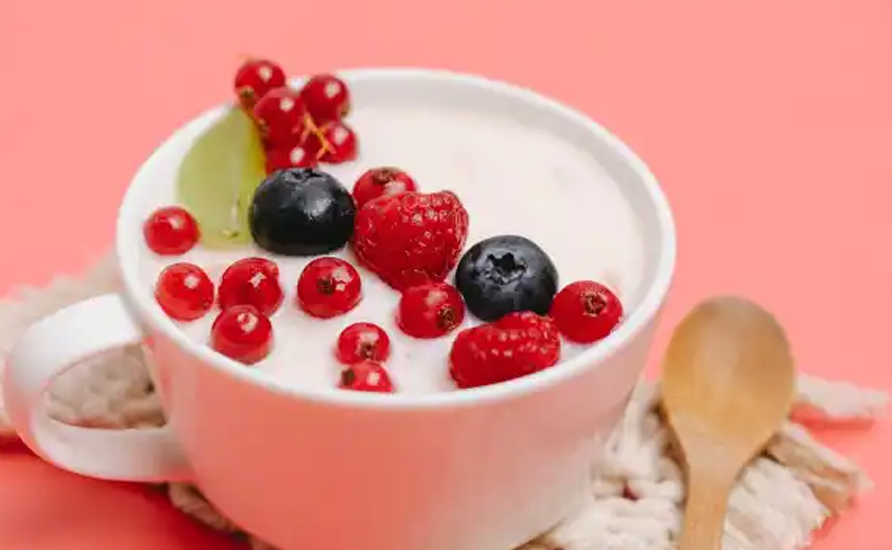
When baking a dish try to use fat-free or low-fat yogurt or fat-free or low-fat sour cream instead of butter, whole milk, or heavy cream. With its creamy texture and rich
- flavor, yogurt can turn any meal into a feast, especially Greek yogurt. Yogurt is one of the superfoods which is tasty, filling, packing and carries a hefty nutritional punch. Sour cream is rich in zinc, magnesium, iron, potassium, vitamin B12, vitamin A, and riboflavin.
- Fresh herbs and spices are the way to go. Avoid using any prepared seasonings as they have high salt content and can increase the risk for high blood pressure. If you want to use seasoning mixes try to use salt-free seasoning mixes. Use lemon juice, citrus zest or hot chilies to add flavor to your dish.
- Try to read the labels of any foods you are planning to buy, this is a very important step towards healthy and smart cooking. Canned, processed, and preserved vegetables often have very high sodium content, look for “low-sodium” or “no salt added” on canned veggies or try using frozen varieties. You can also compare the sodium content on the Nutrition Facts label of similar products (for example, different brands of tomato sauce) and pick the products with less sodium content.
- Whole grains are packed with nutrients including protein, fiber, B vitamins, antioxidants, and trace minerals (iron, zinc, copper, and magnesium). Eating whole grains is associated with various benefits, including a lower risk of heart disease, high blood pressure, and diabetes. When you purchase processed whole-grain products, read the ingredient list to make sure they are made entirely from whole grains, not a mixture of whole and refined grains. For your pantry choose whole grain instead of highly refined products. Use whole-wheat flour, oatmeal, and whole cornmeal.
- Try to make an “All in one” recipe! Yes, Smoothie is a great example. A smoothie can cover a multitude of needs. It’s easy, cool, refreshing, and healthy. A great healthy snack for kids as well. You know the advantage of drinking smoothie is you can get 4-5 servings of fruit in one glass. Throw a banana (they can be kept in the freezer for weeks) into your blender along with frozen berries, kiwi, or whatever fruit you have, 100% orange or other juice, and fat-free yogurt.\

- For your better health use vinegar, tomatoes, shallots, mustard, and/or fat-free or low-fat, low sodium sauces or salad dressings instead of creamy based ones, especially if you have high cholesterol or blood pressure.
- Taste your food before you salt it. There are different substitutes you can use instead of adding too much salt, a squirt of lemon or lime juice on vegetables, a splash of balsamic vinegar in stews, or a sprinkling of oregano or cumin on meat, poultry, and seafood. Try to reach for more flavorful enhancers that are healthy too. Reducing the amount of salt in your diet can help to decrease the risk of kidney failure, reduce risk of diabetes, helps improve your memory, and protect your vision, yes you heard me right high blood pressure in the vessels in your eyes can lead to torn blood vessels and vision loss so incorporate more natural, low-salt foods.